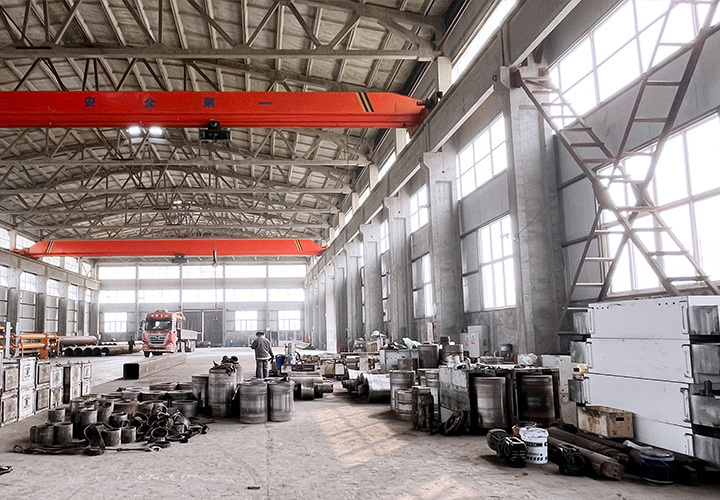
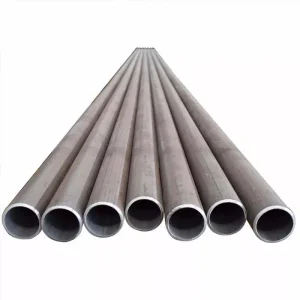
In modern structural engineering, the reliability, load-bearing capability, and longevity of structural steel columns represent the foundation of modern skylines and heavy industrial plants. As a leading manufacturer and exporter of structural steel pipes, Dongguan Dactron Pipes Co., Ltd. plays a vital role in providing raw material processing and fabrication to match global demand. Founded in 2012, our plant has evolved from a regional supplier of standard carbon steel pipes into a modern manufacturing hub of ERW, LSAW, SSAW, and high-precision cold-drawn seamless steel tubes.
Operating under strict ISO 9001 quality management systems, Dactron Pipes has integrated automated production lines and advanced diagnostic instruments to fulfill high-tolerance criteria for infrastructure projects. From carbon steel piping systems to oversized foundation piles, we offer full-spectrum engineering capabilities, supporting OEM/ODM services to accommodate customized structural dimensions, high-tensile tolerances, and specific surface-coating finishes.
The structural steel columns industry is undergoing a structural transition fueled by the demand for rapid construction, seismically resilient designs, and energy efficiency. High-Strength Low-Alloy (HSLA) steels are replacing conventional low-carbon grades. By leveraging elements like micro-alloyed niobium, vanadium, and titanium, manufacturers produce steel hollow sections that offer improved strength-to-weight ratios. This optimization directly reduces freight emissions, structure weight, and overall logistics costs.
Another paradigm shift is the integration of green building codes. Projects seeking LEED or BREEAM certifications demand traceable supply chains and Environmental Product Declarations (EPDs). By monitoring our raw material input and streamlining the energy efficiency of our hot-rolling and cold-drawing lines in China, Dactron Pipes ensures global procurement teams meet their compliance targets.
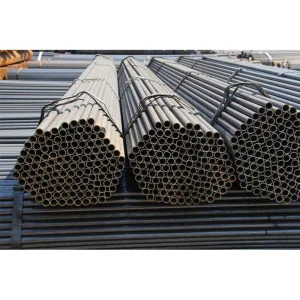
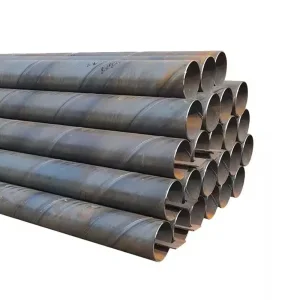
Welded hollow structural sections rely heavily on weld line integrity. With the implementation of high-frequency electric resistance welding (ERW) and double-sided submerged arc welding (LSAW/SSAW), manufacturers can output structural tubes with minimal residual stress. High-precision post-weld heat treatment (PWHT) processes recrystallize the heat-affected zones (HAZ) of welded columns, matching the mechanical properties of the base metal.
At our Dongguan facility, we have established testing routines to ensure reliability. Each batch undergoes Ultrasonic Testing (UT) to detect sub-surface laminations, alongside hydrostatic testing and mechanical property validation (tensile testing, impact testing, and hardness profiles).
Providing customized chemistry control across ASTM, EN, API, and JIS standards. Carbon equivalents (CEV) are optimized to ensure ease of field-welding and structural toughness.
Strict adherence to outer diameter (OD) tolerances, wall thickness (WT) consistency, and straightness parameters, reducing prep-work during structural framing.
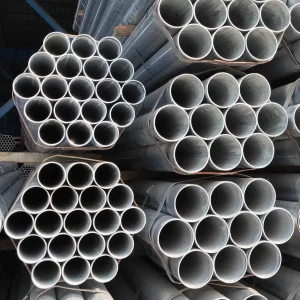
Offering advanced coating solutions, including hot-dipped galvanization, FBE (Fusion Bonded Epoxy), 3LPE, and zinc-rich precoatings designed for harsh environments.
Structural steel columns serve as critical load-bearing assemblies in a variety of sectors, demanding distinct performance characteristics based on their operating environment:
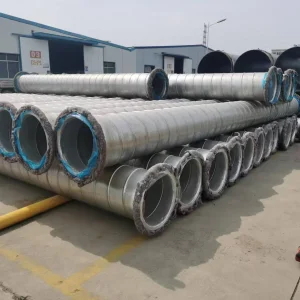
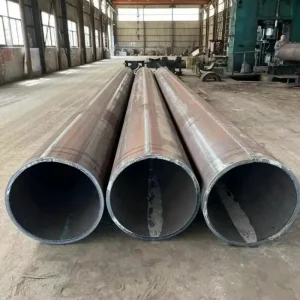
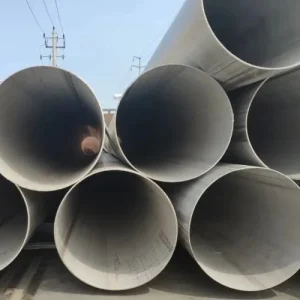
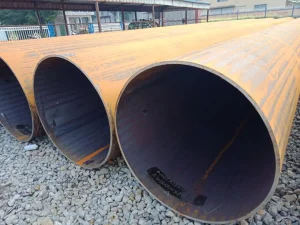
For bridge abutments, harbor docks, and heavy industrial foundations, structural steel columns act as critical load-bearing friction piles. Solutions like the ASTM A252 Gr. 3 LSAW Steel Pipe are engineered to resist driving impact forces while transferring structural loads to deep soil strata. The large-diameter thick-walled construction of LSAW pipes allows them to withstand high bending moments caused by lateral soil movements and seismic waves.
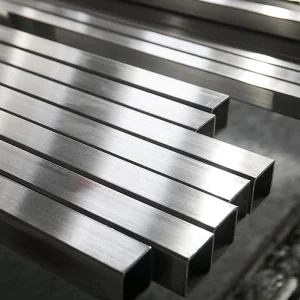
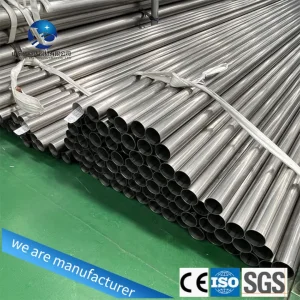
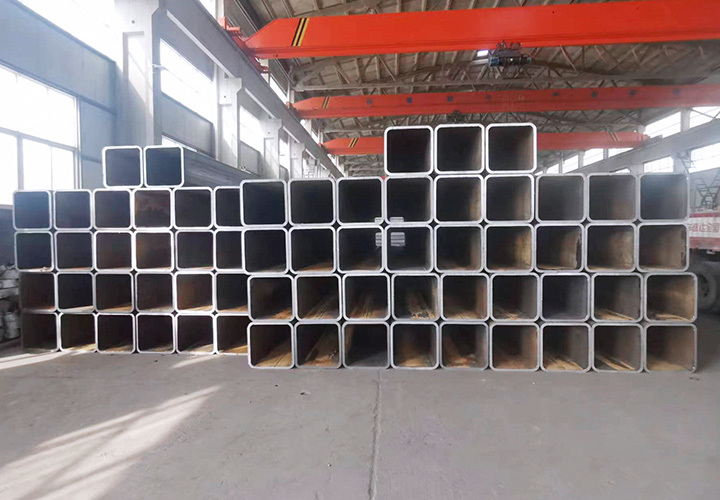
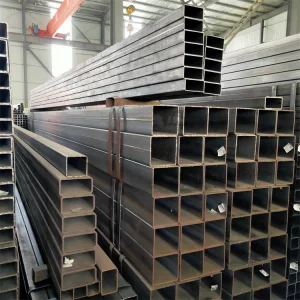
Square and rectangular structural tubes (Hollow Structural Sections - HSS), such as the A36 Carbon Square Structural Steel Tube, offer high torsional resistance compared to traditional open I-beams. Their clean profile simplifies wall and window-wall connections, making them a preferred choice for architects designing structural steel columns in commercial spaces.
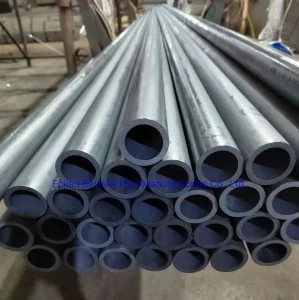
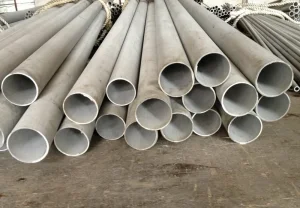
Industrial structural columns are frequently integrated into fluid delivery and thermal exchange mechanisms. From ERW pressure-resistant pipes to H-type boiler fin tubes for heat exchangers, these elements are fabricated to withstand elevated operating pressures and high temperatures, ensuring long-term service life in thermal power generation and refining plants.
Selecting the correct fabrication methodology for structural steel columns depends on project dimensional needs, load criteria, and mechanical constraints.
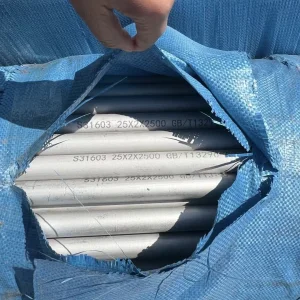
International trade dynamics require manufacturers to maintain robust logistic solutions. Shipping structural steel columns involves managing issues related to freight protection and port clearance. Dongguan Dactron Pipes leverages its proximity to the major shipping ports of Shenzhen and Guangzhou to ensure prompt dispatch.
We work closely with global inspection agencies, including SGS, BV, and Intertek, to perform third-party pre-shipment inspections. This step confirms that the mechanical properties, dimensional tolerances, and coating conditions comply with target-market regulations (e.g., CE mark for Europe, ASTM standards for the Americas, AS/NZS standards for Oceania).
As structural designs evolve, we anticipate the integration of "smart" steel columns embedded with fiber-optic strain sensors. These components will monitor stress levels in high-value civil structures. Additionally, developments in corrosion-resistant alloy coatings will extend the service life of steel components in harsh conditions, reducing lifetime maintenance costs.
 Dactron Pipe