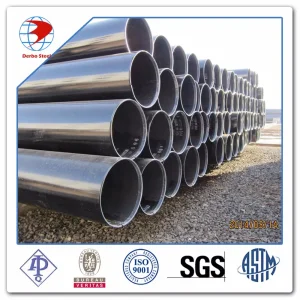
Premium structural and fluid transmission pipe products manufactured to international standards (API 5L, ASTM, EN) with zero-defect quality assurance.
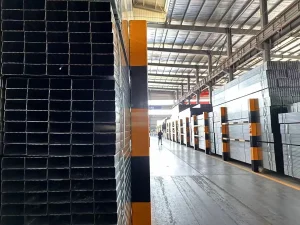
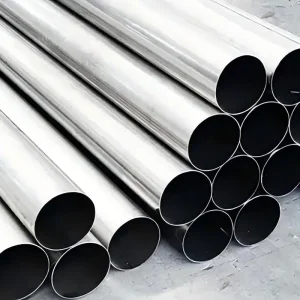
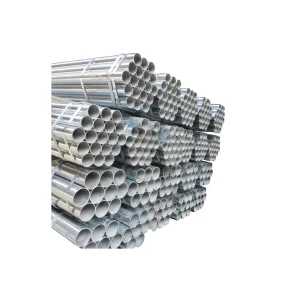
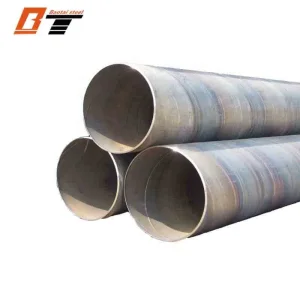
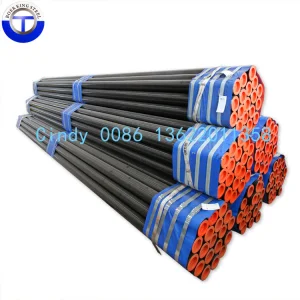
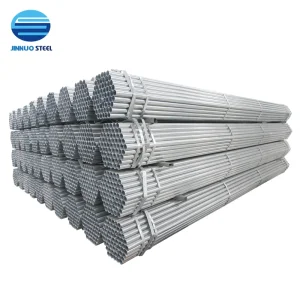
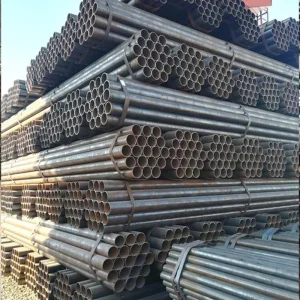
High-Frequency Welded (HFW) steel pipe represents a pinnacle of structural efficiency, durability, and cost-effectiveness in modern engineering. By using high-frequency current (typically ranging from 100 kHz to 500 kHz) to heat the edges of coiled steel plate strips, a solid-state metallurgical bond is formed under mechanical pressure without the addition of filler metal. This distinguishes HFW pipes from traditional submerged arc welded (SAW) variants, creating a heat-affected zone (HAZ) that is incredibly narrow, preserving the chemical integrity of the base carbon steel.
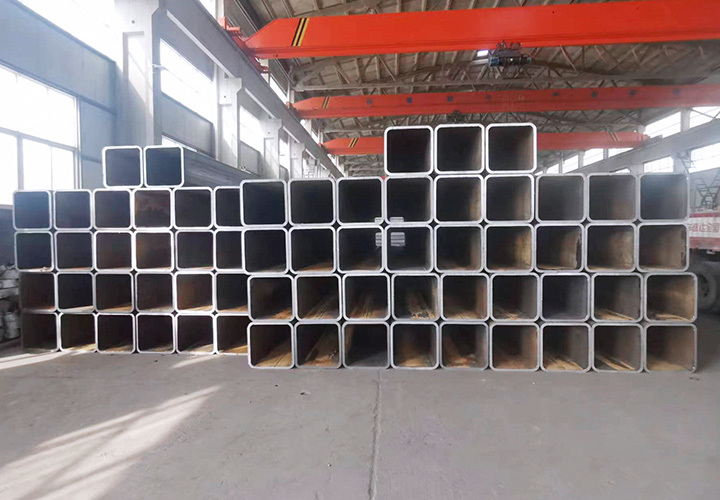
In global energy and structural applications, HFW pipes occupy a critical niche. They offer tighter dimensional tolerances, more uniform wall thickness, and superior concentricity compared to seamless options, making them the standard choice for medium-pressure fluid conveyance, casing tubing, structural hollow sections (SHS), and machinery components.
The pipeline and structural engineering industries are undergoing rapid modernization. Infrastructure pipelines now operate at higher pressures and in harsher environments, such as subsea exploration and deep sour-gas fields. Consequently, the global requirements for HFW pipes have evolved from simple dimensional matching to advanced mechanical testing.
How Dongguan Dactron Pipes Co., Ltd. integrates advanced processing technology with global engineering supply chains.
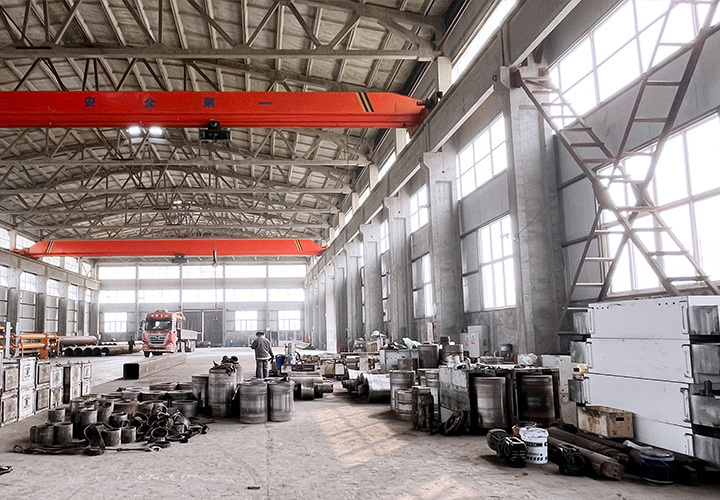
Dongguan Dactron Pipes Co., Ltd. is a professional manufacturer specializing in steel pipes and steel tubes, offering carbon, seamless, and welded steel solutions for a wide range of industrial applications. Located in Dongguan, one of China’s leading manufacturing centers, the company benefits from advanced infrastructure, a highly skilled workforce, and highly efficient global logistics connections via neighboring deep-water ports.
Founded in 2012, Dactron began as a regional supplier of standard carbon steel pipes for construction and mechanical use. With continuous investment in production technology and quality control systems, the company expanded into seamless and welded steel pipe manufacturing by 2016. In 2019, Dactron further enhanced its capabilities by introducing automated production lines and precision testing equipment, enabling it to meet the growing demands of demanding international markets.
The company’s product portfolio includes seamless steel pipes, welded steel tubes, ERW pipes, structural tubes, and customized solutions for various industries such as construction, oil & gas, infrastructure, and machinery manufacturing. All products are manufactured in accordance with international standards and undergo strict inspection to ensure durability, strength, and performance. Dongguan Dactron Pipes Co., Ltd. operates under ISO 9001 quality management systems and supports OEM/ODM services to meet diverse customer requirements.
Selecting a top-tier HFW steel pipe manufacturer requires assessing capabilities across multiple technical and regulatory vectors. According to search intent analyses from global EPC (Engineering, Procurement, and Construction) companies, the core procurement factors are:
Verification of API 5L Monogram license (PSL1 and PSL2), ISO 9001, ISO 14001, OHSAS 18001, and CE Marking (EN 10219 for structural applications or EN 10217 for pressure purposes).
Advanced non-destructive testing (NDT), including in-line continuous ultrasonic weld scan (UT), electromagnetic testing (Eddy Current), and full-length hydrostatic testing.
The grade of raw material determines final pipe integrity. Top manufacturers utilize hot rolled coils (HRC) from Tier-1 state mills, accompanied by Mill Test Certificates (MTC) to EN 10204 3.1 or 3.2.
In modern energy infrastructure, pipes are subjected to extreme stressors: sub-zero temperatures, highly corrosive gases (H2S), and shifting soil conditions. High-performance HFW pipes are integrated with customized surface-protection systems to handle these environments:
For buried oil and gas pipelines, HFW steel pipes are combined with a multi-layered coating consisting of a high-performance fusion bonded epoxy (FBE) primer, a copolymer adhesive layer, and an outer layer of high-density polyethylene (HDPE) or polypropylene (HDPP). This structure protects the pipe from chemical ingress, mechanical impact, and cathodic disbondment.
When transporting wet hydrogen sulfide (H2S), HFW carbon steel is highly susceptible to Hydrogen Induced Cracking (HIC) and Sulfide Stress Corrosion Cracking (SSCC). Leading factories use ultra-low sulfur, calcium-treated fully killed steel coils combined with rigorous HIC/SSCC testing protocols to ensure the longevity of the line pipe.
The trajectory of HFW pipe manufacturing is defined by digitalization and the green transition. Research initiatives focus on preparing infrastructure for hydrogen transmission:
Research confirms that HFW pipes with controlled microstructure grain sizing and low residual stress can safely transport blends of natural gas and up to 20% Hydrogen without triggering embrittlement.
Smart manufacturing platforms utilize continuous thermal imaging sensors and laser profile trackers to map the physical geometry and thermal profile of the weld seam in real-time, feeding data directly to cloud-based diagnostic logs.
Advanced solid-state high-frequency induction heat treatment units trace the moving weld line, target recrystallization at temperatures exceeding 900°C, and ensure uniform physical properties throughout the weld zone.
Premium precision boiler tubes, high-pressure line pipes, hydraulic cylinders, and specialized heat exchanger tooling accessories.
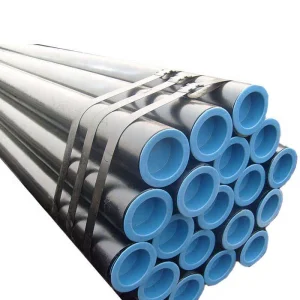
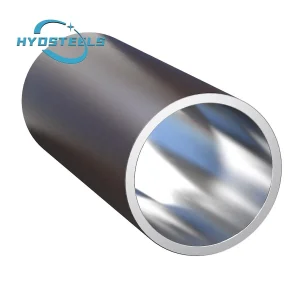
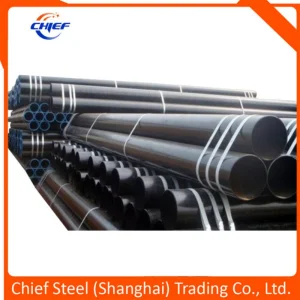
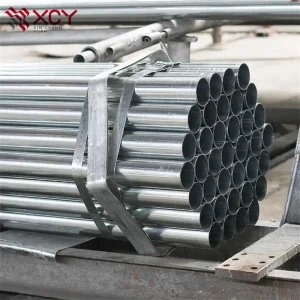
Expert technical responses to critical integration and procurement questions regarding high-frequency welded steel pipes.
ERW (Electric Resistance Welding) is a broad category of welding that includes HFW. Modern HFW specifically uses high-frequency AC current (typically ≥100 kHz) to perform solid-state induction welding under pressure without filler metals. LSAW (Longitudinal Submerged Arc Welding) utilizes external filler metal and flux to weld heavy steel plates, generally for larger diameters (>24 inches) and thicker walls where raw steel coil sheets cannot be processed.
During the high-frequency welding process, the localized edges of the steel coil experience extreme temperature spikes. This heat cycle creates a hard, brittle microstructure in the heat-affected zone (HAZ) compared to the base metal. By performing online seam annealing (normalizing the seam to 900°C–950°C), the microstructure is recrystallized, restoring the ductility and impact toughness of the weld seam to match the base material.
Under API 5L PSL2, HFW pipes require comprehensive verification including: Hydrostatic Test Reports, Charpy V-notch Impact Tests (at designated low temperatures), Flattening Tests (at multiple stages of compression), Weld Seam Ultrasonic Testing (UT), and Chemical Analysis mapping Carbon Equivalent (CEq) values. Tensile testing of the base metal and weld junction is also required.
Dactron operates under ISO 9001 quality management systems. Since upgrading production lines in 2019, the facility utilizes automated feedback loops for diameter controls, digital temperature monitors during seam normalization, and systematic raw material audits. Dactron's manufacturing processes include both seamless and welded steel solutions, with customizable options for OEM/ODM requirements.
 Dactron Pipe