When considering construction materials, you might ask, "what is the difference between steel pipe and steel tube?" Both are essential in various applications, but they have distinct characteristics. Steel pipes are typically round and used for transporting fluids. They are measured by their diameter and wall thickness. On the other hand, steel tubes have a more precise shape, which can be square, rectangular, or round. They are used for structural applications due to their strength and rigidity.
The differences in design often influence their applications. For example, steel pipes are ideal for plumbing and oil pipelines. Steel tubes are preferred in construction and automotive industries. Understanding these differences is crucial for engineers and contractors. Using the wrong material can lead to failures or inefficiencies.
As we explore this topic, we should reflect on how these materials affect our lives. We often take them for granted. But their specific uses and properties impact safety and durability in our structures. This discussion will clarify their essential roles in modern engineering.
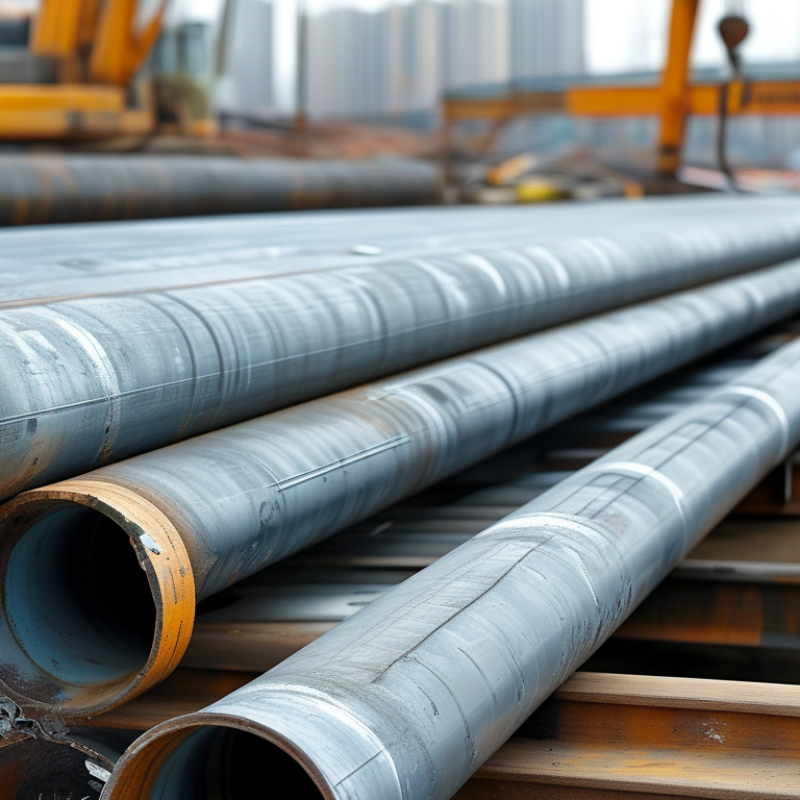
Definition of Steel Pipe and Steel Tube
Steel pipes and steel tubes are essential materials in various industries, yet they have distinct definitions and applications. A steel pipe typically features a circular cross-section and is primarily designed to transport fluids or gases. According to the American Piping Association, pipes are classified by their nominal pipe size, which does not directly correspond to their actual dimensions.
In contrast, steel tubes come in various shapes, including rectangular and square, and are often used in structural applications. The American Institute of Steel Construction states that tubes are usually sized by their actual outer dimensions. This difference leads to varying structural integrity and strength properties. For example, a tube with a certain wall thickness may have higher load-bearing capabilities than a similarly sized pipe.
Despite these distinctions, both materials can sometimes overlap in use. It’s essential to consider their applications carefully; using a pipe where a tube is needed might lead to structural issues. A 2022 report by the World Steel Association highlights the growing demand for precise material specifications in construction, emphasizing that the choice between pipes and tubes significantly impacts overall project integrity. Understanding these definitions allows professionals to make informed decisions in engineering and construction projects.
Key Physical and Dimensional Differences
When comparing steel pipe and steel tube, key physical and dimensional differences emerge. Steel pipes are generally used for transporting substances. Their diameter is the primary measurement, emphasizing the internal opening. This feature makes pipes ideal for fluid and gas movement.
In contrast, steel tubes have standardized dimensions for structural applications. They are defined by both diameter and wall thickness. This means a tube can withstand more pressure and stress. Consider a scenario where a building requires both types; the pipe may serve plumbing, while tubes support structural integrity.
The applications highlight these differences clearly. For example, pipes are often found in plumbing systems, while tubes may be used in the automotive or aerospace industries. Each serves its unique purpose, shapes their designs, and dimensions differently. Users sometimes confuse them, leading to mismatched applications. Clear understanding is essential.
Common Applications of Steel Pipes vs. Steel Tubes
When comparing steel pipes and steel tubes, their applications can greatly differ. Steel pipes are typically used for transporting fluids and gases. For instance, they commonly serve in plumbing systems and oil and gas pipelines. Their round shape and strength make them ideal for these purposes. Moreover, they are often used in construction and industrial applications due to their durability.
On the other hand, steel tubes have a more versatile range of uses. They are often found in structural applications. Steel tubes can support loads in frameworks and buildings, providing stability and safety. They are also used in manufacturing and automotive industries, where strength and lightweight characteristics are required. The design of steel tubes allows for specialized applications, such as in furniture and equipment construction.
While both materials have their strengths, the key lies in choosing the right option for your needs. Sometimes, the line between pipes and tubes can blur. It's important to consider factors like strength, shape, and intended use. This decision can affect overall performance and safety. Reflecting on these details can help in making informed choices.
What Is the Difference Between Steel Pipe and Steel Tube? - Common Applications of Steel Pipes vs. Steel Tubes
| Property |
Steel Pipe |
Steel Tube |
| Shape |
Cylindrical |
Can be cylindrical or rectangular |
| Wall Thickness |
Varies, typically thicker |
Generally thinner |
| Applications |
Water and gas transportation, structural applications |
Automotive, furniture, and scaffolding |
| Common Standards |
API, ASTM |
ASTM, ISO |
| Weight |
Heavier for larger diameters |
Lighter due to thinner walls |
| Cost |
Generally more expensive |
Usually less expensive |
Manufacturing Processes for Steel Pipes and Tubes
The manufacturing processes for steel pipes and tubes vary significantly, impacting their applications and performance.
Steel pipes are typically produced through either seamless or welded methods.
The seamless process involves solid steel billets that are heated and pierced to create a hollow tube.
According to a report by the World Steel Association, this method accounts for approximately 20% of the total steel pipe production.
It offers higher strength and fewer defects, making seamless pipes ideal for high-pressure applications.
Welded steel tubes, on the other hand, are made by bending flat steel sheets and welding the edges together.
This approach is more cost-effective and accounts for about 80% of production.
Despite its lower cost, welded tubes can be less durable under extreme conditions.
A 2022 industry analysis by IBISWorld highlighted that the welded tube market is growing, particularly in construction and automotive sectors,
due to their lower production costs and versatility.
In terms of specifications, steel pipes are often measured by their diameter and wall thickness.
In contrast, steel tubes are defined by their outer diameter and the precise dimensions of the interior.
These differences are critical for engineers when selecting materials for specific applications.
Each manufacturing process has its strengths and weaknesses, warranting careful consideration based on the intended use.
Advantages and Disadvantages of Using Each Material
When comparing steel pipes and steel tubes, understanding their advantages and disadvantages is crucial. Steel pipes are typically used for transporting fluids. They are strong and durable, ideal for high-pressure systems. However, they can be heavier and less flexible than steel tubes. This can limit their application in certain projects.
On the other hand, steel tubes offer flexibility and versatility. They are often used in structural applications due to their lightweight nature. Tubes can withstand tensile loads well, making them suitable for various constructions. Yet, their thinner walls may not support high pressure as effectively as pipes. Choosing between the two often hinges on specific project requirements, including weight, pressure, and intended use.
In practice, some users find themselves struggling with the decision. The cost might favor one over the other, leading to possible shortcomings. Projects can suffer if the chosen material does not meet all performance standards. Understanding these materials' distinct properties can help make a more informed choice.
FAQS
: Steel pipes are mainly used for transporting fluids and gases, like in plumbing systems and pipelines.
Steel tubes are used in structural applications, manufacturing, and automotive industries due to their lightweight and strong nature.
They are strong, durable, and ideal for high-pressure systems, making them effective in fluid transport.
Steel pipes can be heavy and less flexible, which may limit their use in certain projects.
Steel tubes provide flexibility and are suitable for structural applications, supporting various loads without being too heavy.
Steel tubes have thinner walls, so they may not support high pressure as effectively as steel pipes can.
Consider strength, flexibility, intended use, and project requirements, as these can greatly influence performance.
Users often struggle with costs and might choose a material that doesn't meet all performance standards.
Knowing the distinct properties of steel pipes and tubes can guide users to make informed decisions that suit their needs.
Yes, selecting based solely on cost can lead to performance issues or shortcomings in projects.
Conclusion
In exploring the question of "what is the difference between steel pipe and steel tube," it is essential to first define both terms. Steel pipes are typically used for transporting fluids and gases, characterized by a larger diameter and thinner walls, whereas steel tubes are often utilized for structural applications, featuring a more consistent wall thickness and a variety of shapes. Key physical and dimensional differences include the size, pressure ratings, and manufacturing processes which influence their overall strength and functionality.
Moreover, the applications of steel pipes and tubes vary significantly; pipes are mainly used in plumbing and industrial systems, while tubes are prevalent in construction and machinery. Understanding the advantages and disadvantages of each material, such as cost, weight, and corrosion resistance, is crucial for selecting the appropriate option for specific needs. Ultimately, distinguishing between steel pipes and tubes is vital for making informed decisions in engineering and construction projects.

 Dactron Pipe